Introduction
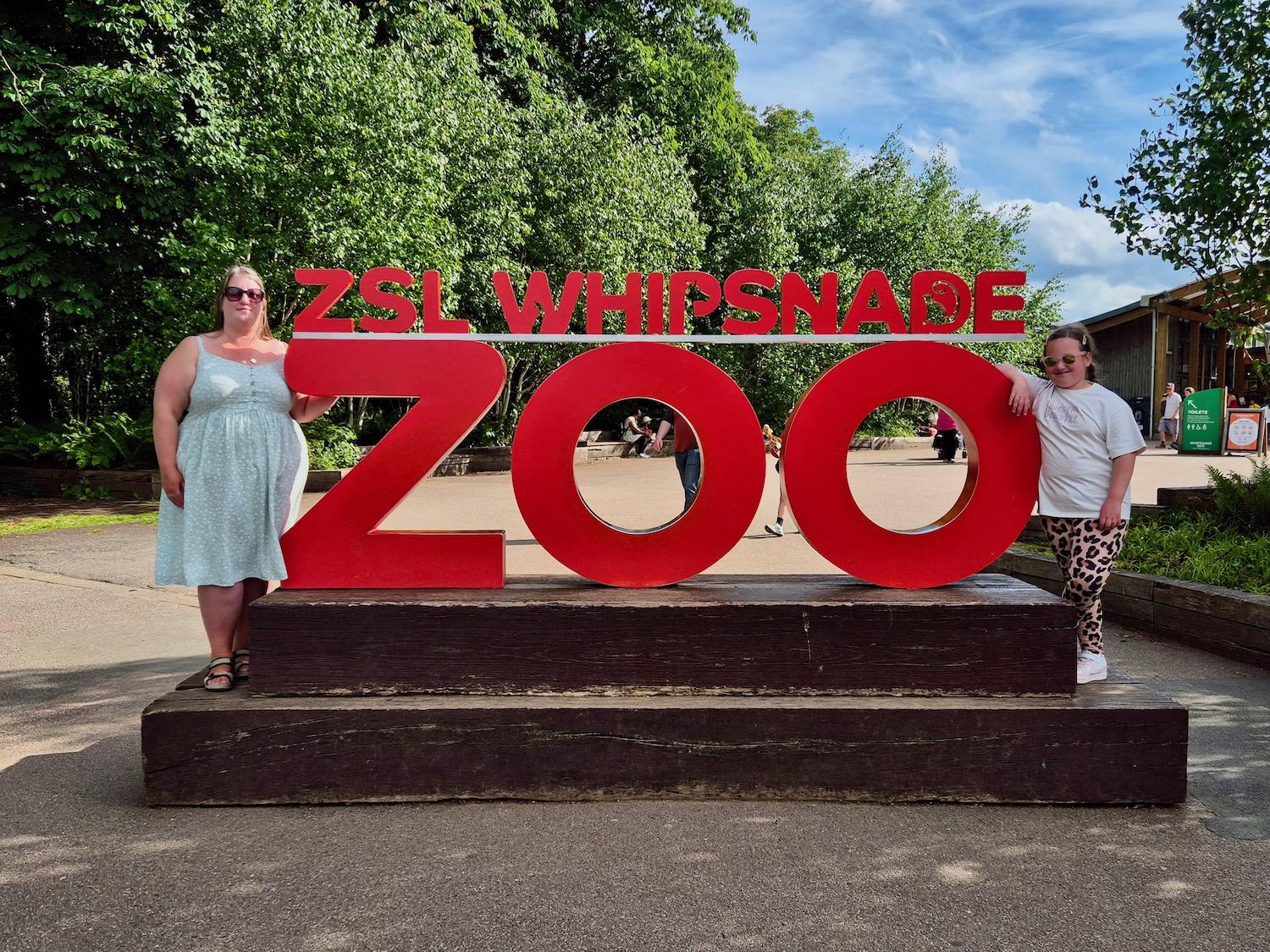
Whipsnade Zoo remains a significant institution in the UK for wildlife conservation, public education and outdoor recreation. Operated by the Zoological Society of London (ZSL), the park’s role extends beyond leisure: it supports species conservation, scientific research and community engagement. As public interest in biodiversity and ethical animal care grows, developments at Whipsnade Zoo are of national relevance to policymakers, educators and visitors planning outdoor activities.
Main body
Location and history
Located in Bedfordshire near Dunstable, Whipsnade Zoo—also known historically as Whipsnade Wild Animal Park—was established by ZSL in the early 20th century. Over decades it has expanded into one of Europe’s largest wildlife parks by area, offering a landscape-focused setting distinct from traditional urban zoos. Its long history with ZSL connects it directly to a wider network of research and conservation initiatives centred in London.
Conservation and animal care
Whipsnade Zoo places emphasis on conservation programmes both in situ and ex situ. As part of ZSL’s wider work, the park contributes to breeding programmes, species reintroductions and scientific studies designed to improve animal welfare and preserve threatened populations. Educational outreach—through school visits, talks and interpretive displays—aims to increase public understanding of ecology and human impacts on wildlife.
Visitor experience and operations
The park’s open, landscape-led design offers visitors opportunities to see large mammals and other species in more naturalistic settings. Facilities and seasonal programming aim to balance accessibility with animal welfare and site management. ZSL’s stewardship means operational decisions are informed by conservation priorities and professional standards for veterinary care, husbandry and public education.
Conclusion
Whipsnade Zoo’s significance lies in its combined roles as a public attraction and a conservation hub. Looking ahead, the park is likely to continue emphasising habitat-led exhibits, research partnerships and educational initiatives that reflect growing public concern for biodiversity. For visitors and stakeholders, Whipsnade represents an evolving model of how large-scale wildlife parks can contribute to conservation outcomes while offering meaningful, responsible experiences for the public.