

Rare Flat Headed Cat Rediscovered in Thailand After Three Decades
A Remarkable Conservation Breakthrough
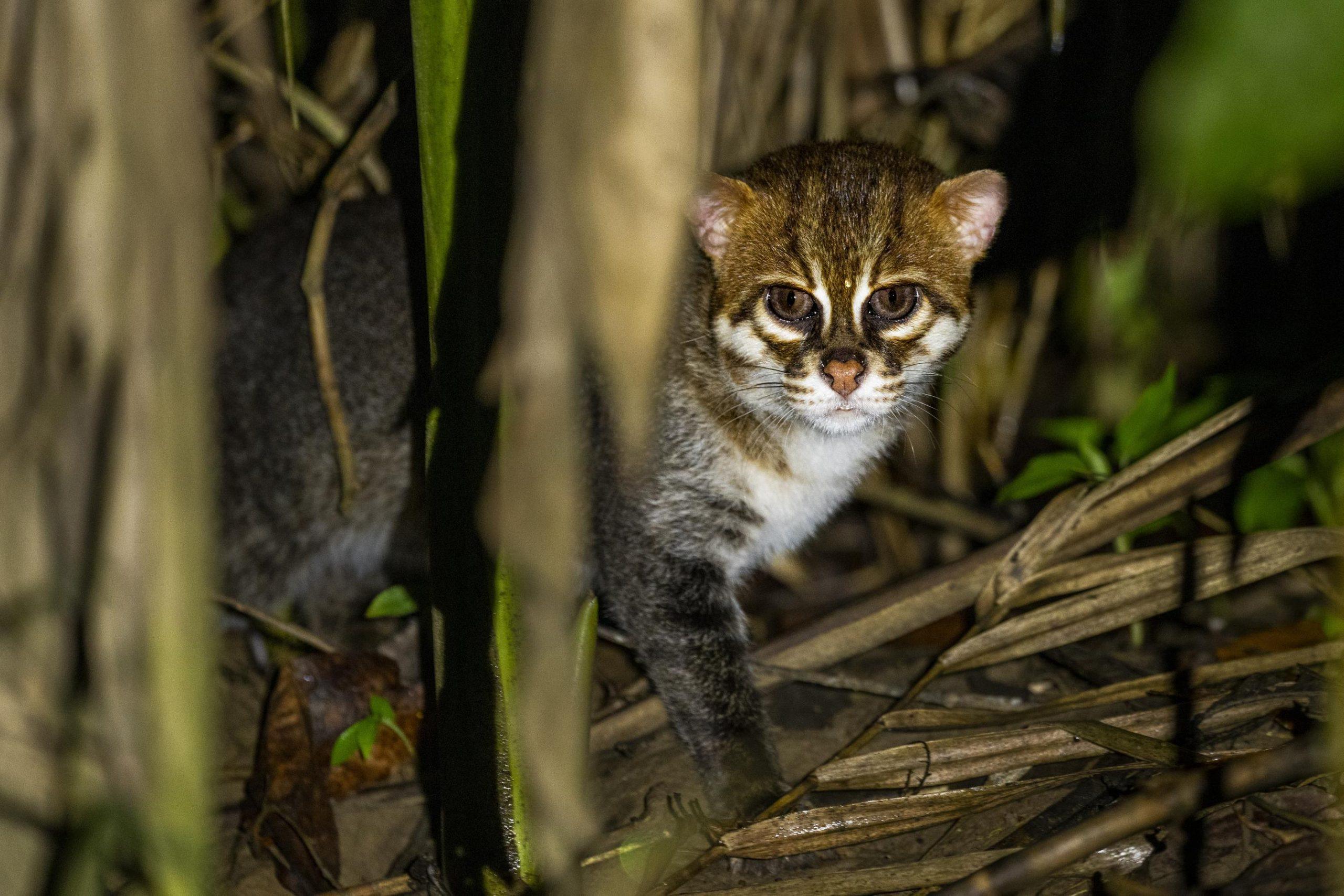
In a breakthrough that has excited conservationists worldwide, the flat-headed cat has been rediscovered three decades after the last recorded sighting in Thailand. Camera traps in Thailand’s Princess Sirindhorn Wildlife Sanctuary picked up 13 flat-headed cat records in 2024 and 16 more earlier this year, marking a significant milestone for wildlife conservation efforts in Southeast Asia.
The rediscovery is particularly significant given that flat-headed cats are among the world’s most threatened wild felines, with the International Union for Conservation of Nature estimating that just 2,500 adults exist in the wild. In Thailand specifically, the species has long been listed as “possibly extinct”.
Understanding the Flat Headed Cat
The rare animals are about the size of a domestic cat and have distinctive, round, close-set eyes, and are found only in Southeast Asia, typically living in dense wetland ecosystems like peat swamps and freshwater mangroves. These remarkable felines are perfectly adapted to their aquatic environment, with webbed toes for getting around in their preferred habitat of wetlands and peat swamps.
They have a diet dominated by fish, frogs and shrimp, and are nocturnal, elusive animals, which makes studying them particularly challenging for researchers.
Threats and Conservation Challenges
The flat-headed cat faces numerous threats to its survival. Thailand’s peat swamp forests have been heavily fragmented, largely due to land conversion and agricultural expansion. Additionally, another important threat throughout the flat-headed cat’s range is the contamination of its prey through water pollution associated with agricultural run-off and logging activities, especially by oil, organochlorines and heavy metals.
The rediscovery brings both hope and concern. The footage included a female flat-headed cat with her cub — a rare and encouraging sign for a species that typically produces only one offspring at a time. However, experts emphasize that this is only the beginning of conservation efforts.
Looking Forward: Conservation Implications
The rediscovery has significant implications for conservation planning in Thailand and throughout Southeast Asia. The rediscovery is exciting but is only a “starting point” for future conservation efforts, with the focus now on how to enable them to live alongside us sustainably, without being threatened.
Conservationists call for increased protection of the peat swamp forest where the population has been found, noting the risk of trafficking that might accompany the announcement of the rediscovery. This remarkable finding demonstrates that even species thought to be lost can persist when suitable habitat is protected, offering renewed hope for one of the world’s rarest felines.