

Cecil the Lion: How One Animal Changed the Conversation on Trophy Hunting
Introduction: Why Cecil the lion still matters
Cecil the lion is widely recognised as a turning point in global conversations about trophy hunting, wildlife protection and conservation policy. The killing of a well‑known male lion in Zimbabwe in July 2015 provoked a wave of international attention, highlighting tensions between wildlife management, community livelihoods and international hunters. Cecil’s case remains relevant to readers because it continues to influence policy debates, tourism attitudes and conservation priorities across Africa and beyond.
Main body: Events, reaction and ongoing issues
The incident and immediate response
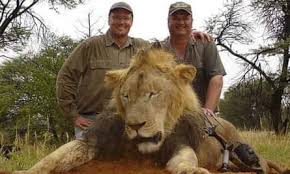
Cecil was a prominent black‑maned lion associated with Hwange National Park in Zimbabwe. His death in 2015 at the hands of an overseas trophy hunter triggered widespread public outrage, high‑profile media coverage and rapid mobilisation by conservation groups. The incident prompted investigations by Zimbabwean authorities and sparked legal, ethical and policy discussions in multiple countries.
Conservation and policy implications
Beyond the immediate reaction, Cecil’s death focused attention on broader conservation challenges. Lions across Africa face habitat loss, human‑wildlife conflict and declining prey populations; trophy hunting is one contested management tool that some governments use to generate income for conservation and local communities. Cecil’s case intensified scrutiny of licensing, cross‑border enforcement and the transparency of hunting operations, and it encouraged calls for stricter oversight, better monitoring of lion populations and clearer benefit‑sharing with local communities.
Public engagement and sector responses
The event generated sustained public debate and advocacy campaigns, influencing airlines, travel companies and regulatory bodies to review policies related to the transport and promotion of hunting trophies. It also prompted conservation organisations to redouble efforts on anti‑poaching, community conservation projects and scientific monitoring of big cat populations.
Conclusion: The legacy and what to expect
Cecil the lion remains a potent symbol in the discussion about how best to conserve Africa’s large carnivores while supporting rural livelihoods. The case has contributed to increased oversight and public scrutiny of trophy hunting and has fortified calls for evidence‑based management, stronger enforcement and investment in community‑led conservation. For readers, Cecil’s legacy underscores the continuing need for balanced policies that protect wildlife, respect local communities and ensure transparent governance—issues that will shape conservation debates in the years ahead.