

Luge at the Winter Olympics: Speed, Skill and Safety
Introduction: Why luge matters at the Winter Olympics
Luge is one of the most iconic and high‑speed disciplines at the Winter Olympics. Its combination of precision, aerodynamics and nerve makes it both compelling for spectators and demanding for athletes. The sport’s Olympic presence has shaped equipment, training and safety standards worldwide, while contributing to the programme’s variety alongside bobsleigh and skeleton.
Main body: History, events and key features
Origins and Olympic debut
Luge is governed internationally by the International Luge Federation (FIL). It made its Olympic debut at the 1964 Winter Games in Innsbruck and has been a regular feature since. Over the decades the sport has evolved in technique, sled design and track construction, reflecting advances in engineering and athlete preparation.
Events and competition format
The Olympic luge programme includes men’s singles, women’s singles and doubles, with doubles officially designated as an open event. In 2014 a mixed team relay was introduced, adding a national-team dynamic where runs by a woman, a man and a doubles pair combine for a cumulative time. Competition is decided by aggregate times over multiple runs, rewarding consistency and precision as much as outright speed.
Equipment, speeds and safety
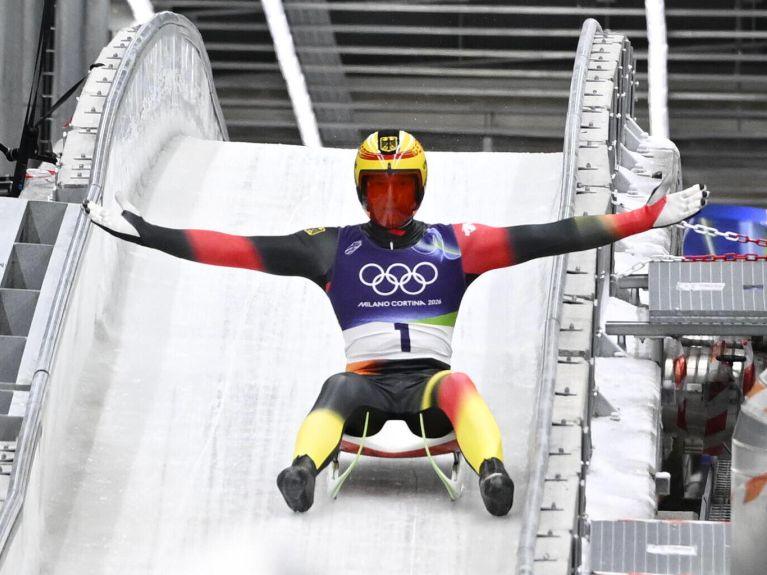
Luge sleds are specialised, low‑profile craft tuned for aerodynamics and control. Athletes steer with subtle body movements at the centimetre scale while lying supine. Modern tracks and sleds allow speeds that commonly exceed 140 km/h, which has driven ongoing safety improvements: enhanced track profiling, better protective clothing, refined start and run procedures, and stronger medical protocols.
Competitive landscape
European nations with strong sliding programmes—particularly Germany, Austria and Italy—have traditionally been prominent in Olympic luge, reflecting long-established training infrastructures and track access. Investment in indoor and refrigerated tracks, as well as talent pathways, continues to shape which nations excel.
Conclusion: Outlook and significance for readers
As luge continues to combine technological innovation with athlete skill, expect continued focus on safety, track sustainability and broader international participation. Climate and venue costs are prompting innovations in track refrigeration and event planning, while the sport’s dramatic, high‑speed nature ensures luge will remain a Winter Olympic highlight for viewers and a rigorous test for athletes.