

Skeleton at the Winter Olympics: History, Rules and Significance
Introduction: Why skeleton at the Winter Olympics matters
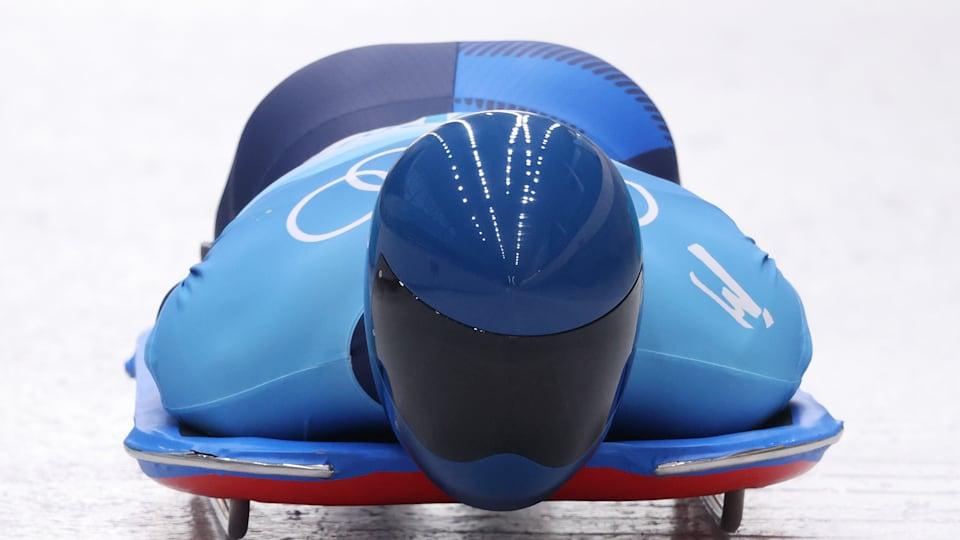
Skeleton is one of the most visually arresting and high-risk sports on the Olympic programme. Competing head-first on a small sled at speeds that can exceed 130 km/h, athletes combine explosive starts, precision steering and nerve. The sport’s Olympic presence highlights advances in athlete preparation, engineering and track safety, and remains relevant for fans drawn to close-time finishes and dramatic, individual competition.
Main body: History, format and key facts
Origins and Olympic history
Skeleton traces its roots to the Cresta Run in St. Moritz. It first appeared at the Winter Olympics in 1928 and 1948, both held in St. Moritz, and was reintroduced permanently at the 2002 Salt Lake City Games. Since 2002, both men’s and women’s skeleton have been contested at every Winter Olympics, raising the sport’s profile and competitive depth.
Competition format and governance
The International Bobsleigh and Skeleton Federation (IBSF) governs the discipline. Olympic medals are decided by cumulative time over multiple runs — typically four runs across two days — with the fastest combined time winning. Races take place on the same ice tracks used for bobsleigh and luge, and starts are critical: athletes sprint while pushing the sled, then mount it and steer using subtle shifts of shoulders, knees and toes.
Performance and safety
Top athletes and teams invest heavily in start training, sled technology and aerodynamic equipment. Tracks and sled design have evolved with safety in mind, though the sport remains inherently risky. The balance of speed and control produces narrow margins between podium places, making every hundredth of a second important.
Conclusion: Significance and what to watch
Skeleton at the Winter Olympics exemplifies the blend of athleticism, technology and risk that characterises winter sliding sports. For spectators, the key things to watch are start times, consistency across runs and line choice through critical curves. Looking ahead, continued improvements in track safety and athlete development are likely to keep skeleton a compact, dramatic highlight of future Winter Games.