

Skeleton at the Winter Olympics: Overview and Outlook
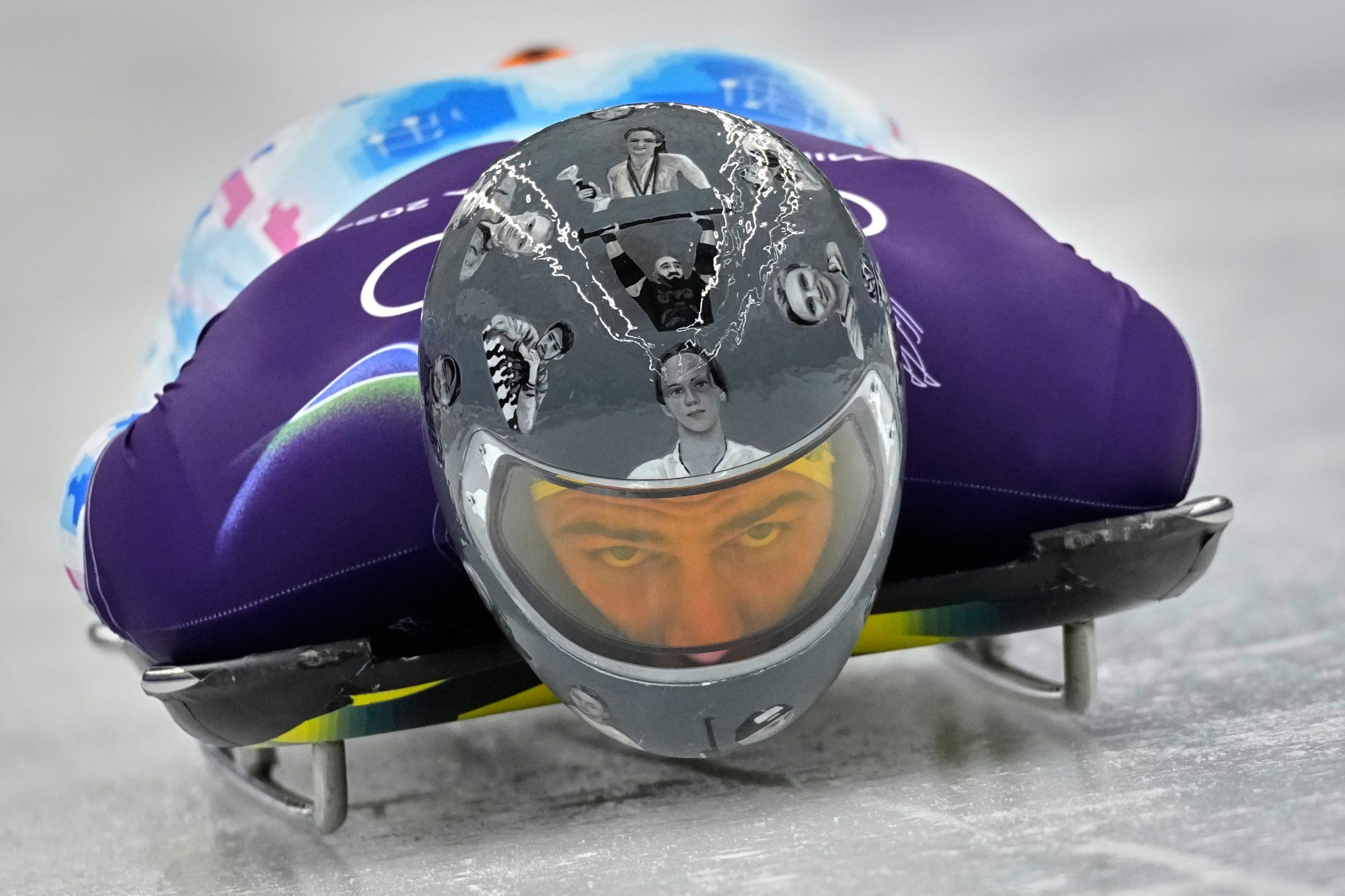
Introduction: Why skeleton matters at the Winter Olympics
Skeleton is one of the most thrilling and technically demanding sports on the Winter Olympic programme. Its combination of high speed, precision steering and narrow margins for victory makes it both a spectator favourite and a focal point for discussions about athlete safety, training methods and track design. With both men’s and women’s events contested at the Games, skeleton also contributes to the drive for gender-balanced competition at the highest level.
Main body: History, format and developments
Skeleton is a sliding sport in which athletes ride a small sled down an iced track in a prone, head-first position. The event first appeared at the Winter Olympics in St Moritz in 1928 and again in 1948, and it was reintroduced to the Olympic programme at the 2002 Winter Games, since when both men’s and women’s competitions have been held.
Olympic skeleton competitions are typically decided over multiple runs, with combined time determining final placings. Races are contested on the same bobsleigh and luge tracks used across sliding sports, and top competitors steer by subtle shifts in body weight and shoulder pressure. Speeds frequently exceed 120 km/h, requiring intense focus and finely tuned equipment. Athletes wear helmets and aerodynamic suits designed to reduce drag while offering protection.
In recent years, attention within the sport has centred on technological improvements in sled design, more sophisticated training regimes, and ongoing evaluation of track safety features. National federations and international officials regularly review equipment regulations and track standards to balance athlete performance with risk management. The sport’s compact format—short runs with measurable, time-based outcomes—also lends itself to broadcast presentation and fan engagement.
Conclusion: Significance and future outlook
For spectators, skeleton remains one of the most immediate and exciting spectacles at the Winter Olympics. For athletes and organisers, it will continue to prompt investment in coaching, safety technology and track engineering. As winter sports seek broader audiences and safer competition environments, skeleton’s combination of speed, skill and spectacle positions it to remain a high-profile Olympic discipline. Fans can expect ongoing technical innovation and careful regulatory oversight as the sport evolves.