

8 March: International Women’s Day — Significance and Events
Introduction: Why 8 March matters
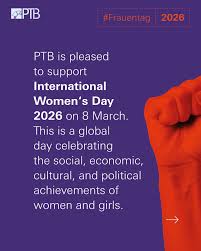
8 March is internationally recognised as International Women’s Day, a date dedicated to celebrating women’s achievements and advancing gender equality. The day is important because it focuses public attention on issues such as economic participation, political representation, health, education and safety. For governments, businesses and civil society, 8 March offers an annual opportunity to review progress, recommit to targets and engage communities in practical action.
Main body: History, events and current practice
Origins and international recognition
International Women’s Day has roots in early 20th-century labour and suffrage movements. It was first observed in several countries in the 1910s and later gained formal recognition. The United Nations began observing the day in the 1970s, and 8 March is now marked by state bodies, non-governmental organisations and grassroots groups around the world.
How 8 March is observed today
Observances on 8 March vary widely. Common activities include public marches, conferences, policy announcements, awards, cultural events and social media campaigns. Many organisations use the day to launch or highlight initiatives aimed at closing gender gaps in pay, leadership and access to services. Annual themes, set by international organisations and campaign groups, help frame discussions and drive focused action.
Local and workplace engagement
At local level, councils, schools and charities often hold panel discussions, workshops and exhibitions. In the workplace, employers may run training on inclusive practices, highlight female leadership and review equality policies. For individuals, 8 March is a prompt to support local women’s organisations, volunteer or attend community events.
Conclusion: Significance and outlook for readers
8 March remains a significant date for reminding societies of the unfinished work on gender equality. Looking ahead, the day is likely to continue galvanising policy attention and public advocacy, while evolving to reflect emerging priorities such as digital inclusion, climate resilience and intersectional justice. For readers, 8 March is both a moment to celebrate progress and a call to action: engage with events, support equitable policies, and consider how personal and organisational choices can contribute to lasting change.