

Ukraine Intensifies Campaign Against Russian Oil Infrastructure with Storm Shadow Strikes
Ukraine Targets Russian Energy Facilities in Strategic Campaign
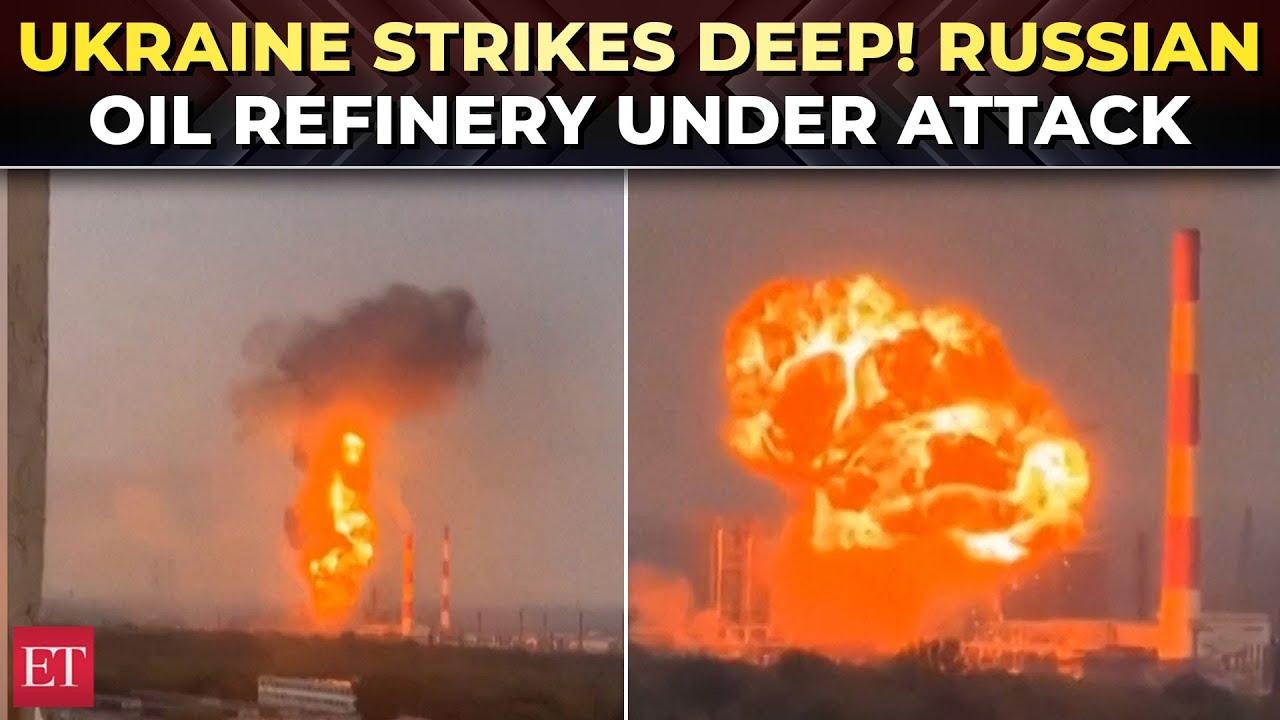
Ukraine launched British Storm Shadow missiles and domestically produced long-range drones to strike several Russian oil and gas facilities this week, with the Ukrainian Air Force attacking the Novoshakhtinsk oil refinery in Russia’s southern Rostov region. The attacks set ablaze two oil storage tanks at the southern port of Temryuk, where flames spread over about 2,000 square metres. These strikes represent the latest escalation in Ukraine’s sustained campaign against Russia’s energy sector.
Strategic Importance of Energy Infrastructure Attacks
Kyiv has increased its strikes on Russia’s oil refineries and other energy infrastructure since August as it seeks to cut Moscow’s oil revenues, a key source of funding for its war effort. The Novoshakhtinsk plant is one of the largest suppliers of petroleum products in southern Russia and provides the Russian army with diesel fuel and aviation gasoline, with a total storage capacity exceeding 210,000 cubic meters.
The refinery can process 5.6 million tons of crude a year, or about 110,000 barrels a day, compared with Russia’s total crude processing rates of more than 5 million barrels a day. Ukraine carried out at least 14 drone attacks on Russian oil refineries in November in a new monthly record, demonstrating the sustained intensity of the campaign.
Broader Implications for the Ongoing Conflict
As Russia’s war in Ukraine approaches its four-year mark and diplomatic efforts to end it have so far failed to produce any tangible results, both Kyiv and Moscow have stepped up their drone and missile attacks on energy facilities. The attacks underscore Ukraine’s determination to undermine Russia’s military-economic capacity by targeting critical infrastructure that fuels Moscow’s war machine.
These operations demonstrate Ukraine’s expanding long-range strike capabilities and its strategic focus on degrading Russia’s ability to sustain military operations through systematic targeting of energy facilities. Russia’s average daily refining volume has fallen to around 5 million barrels per day as a result of the intensified campaign, down from the 5.3-5.5 million barrels per day typically processed in late autumn, highlighting the tangible impact of Ukraine’s strategy on Russian energy production capacity.