

What’s Happening in Iran: Nationwide Protests Rock Islamic Republic
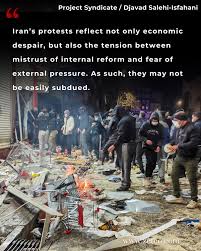
Economic Crisis Sparks Nationwide Unrest
Iran is experiencing its most significant wave of protests since 2022, as extensive protests sparked by its weak economy have erupted across the nation. The Iranian rial dropped to 1.42 million against the US dollar – a 56 percent drop in value in just six months, triggering demonstrations that began in late December 2025 and have now spread to all 31 provinces.
The nationwide protests started in late December at Tehran’s Grand Bazaar in response to worsening economic conditions, before spreading to universities and other cities, with the slogans evolving from economic grievances to political and anti-government demands. The crisis reflects deeper issues facing Iran, including sanctions and declining oil income, with the World Bank projecting economic contraction and inflation rising towards 60%.
Violent Crackdown and Internet Blackout
The Iranian government has responded to demonstrations with severe force. The death toll has reached at least 572, with more than 10,600 arrests, according to human rights organisations. Iran was plunged into a nationwide internet blackout Thursday evening as mass anti-government protests spread around the country, with authorities cutting internet access and telephone lines immediately after protests in the capital Tehran and other major cities began.
The communications shutdown has made it difficult to verify the full extent of casualties and arrests. More than 100 members of Iran’s security forces have been killed since the start of protests, according to state media, highlighting the intensity of confrontations between protesters and authorities.
International Tensions and Future Outlook
The protests occur against a backdrop of heightened geopolitical tensions. In 2025, the US and Israel struck Iran’s nuclear programme, the UN reimposed sanctions against the country and its economy continued to struggle. US President Donald Trump has made unprecedented statements about potential intervention, whilst Iran called to negotiate with the US amid the ongoing crisis.
The anti-government demonstrations have intensified in recent days into something resembling a revolution, according to analysts. With Supreme Leader Ayatollah Ali Khamenei aged 86 and no clear successor, combined with economic hardship and regional setbacks, Iran faces a pivotal moment. The situation remains fluid as protesters continue to demonstrate despite violent suppression, internet blackouts, and threats from authorities.